Celebrate Romance: Capturing Joyful Wedding Moments
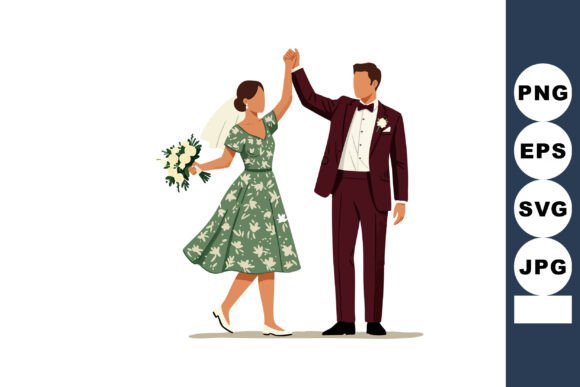
There is something undeniably magnetic about the moment a couple shares their first dance. The way the bride’s green floral dress swirls against the groom’s burgundy tuxedo creates a striking visual contrast, a burst of color against the solemnity of tradition. This specific scene—a bride and groom celebrating with raised hands and joyful abandon—is more than just a photograph; it is a story of personality, joy, and the breaking of convention. For designers and content creators, capturing this specific "lived-in" energy is often the missing piece in branding and marketing materials. You want your audience to feel that specific warmth, that sense of celebration, without having to say a word. This is where the power of visual assets, specifically curated to evoke these emotions, becomes an essential tool in your creative arsenal.
The Power of Non-Traditional Color Palettes
In the world of wedding design and event branding, the past decade has seen a significant shift away from the standard ivory and black. Today’s couples—and by extension, the brands that market to them—are gravitating toward bold, expressive color stories. The imagery of a bride in green and a groom in burgundy is a perfect case study in modern romanticism. Green represents growth, nature, and vitality, while burgundy brings in depth, passion, and a touch of vintage elegance. When these two collide, the result is a visual narrative that feels fresh yet timeless.
For a graphic designer working on a wedding planning website or a stationery business, using assets that reflect this shift is crucial. It signals to your audience that you are current and attuned to modern aesthetics. If you are building a brand identity for a boutique event planner, incorporating illustrations or vector graphics that feature this specific color dynamic can instantly elevate the brand from "generic" to "bespoke." It tells a story of couples who are confident, fun, and deeply in love, which is exactly the kind of emotional hook that drives engagement.
From Vector to Venue: Practical Applications for Design Assets
When you invest in a high-quality design asset pack—specifically one that includes SVG, EPS, JPG, and PNG file formats—you are buying versatility. Let’s break down how a single concept, like our joyful couple dancing, can be utilized across a multitude of projects to maximize your return on investment.
First, consider the packaging and merchandise space. If you are a crafter selling wedding favors, bridal shower kits, or even custom apparel for bachelorette parties, a PNG file with a transparent background allows you to slap that joyful illustration onto tote bags, mugs, or gift tags instantly. The SVG and EPS files are the workhorses for large-format printing. Need a 6-foot banner for a bridal expo? Or perhaps a vinyl decal for a storefront window? Vector formats ensure that your artwork remains crisp and clear, no matter how large you scale it. This is vital for maintaining a professional presentation; nothing kills a brand's credibility faster than a pixelated logo or blurry graphics on a poster.
Then, there is the digital realm. Social media graphics thrive on personality. Using this imagery in Instagram stories or Pinterest pins can stop the scroll. It serves as a perfect header image for a blog post about "Top 10 Wedding Dance Songs" or a background element for a "Save the Date" digital template. For web designers, these assets can add a layer of warmth to a site that might otherwise feel sterile. A small illustration of the couple in the footer or a stylized version used as a favicon adds a cohesive touch that enhances the user experience.
Matching Typography to the Mood
Visuals do not exist in a vacuum. A picture of a bride and groom dancing sets a mood, but it is the typography that anchors the message. When working with imagery that is this expressive and colorful, your font choices need to be deliberate. You have a few strategic paths you can take here, depending on the project's goal.
If you want to let the illustration do the heavy lifting, pair it with a clean, sans serif font. Modern sans serifs provide breathing room and ensure readability, allowing the intricate details of the floral dress and the burgundy suit to stand out. This is an excellent choice for web design and editorial layouts where clarity is king.
Conversely, if you are aiming for high romance and elegance, a script font or a handwritten font can bridge the gap between the text and the image. These styles mimic the fluidity of movement found in dancing. However, a word of caution: readability is paramount. If you use a script font for a headline, ensure it is legible at a glance. Avoid using overly decorative scripts for body text; reserve them for accents like "Mr. & Mrs." or "Save the Date."
Don't be afraid to experiment with font pairing. A bold serif font for the main headline combined with a lightweight sans serif for the subtext creates a hierarchy that guides the reader’s eye. This balance is essential in logo design and brand identity work. You want the typography to feel like it belongs in the same world as the dancing couple—joyful, structured, and celebratory.
Building a Cohesive Brand Identity
For small business owners and entrepreneurs, consistency is the currency of trust. When your marketing materials—from your business cards to your Instagram feed—speak the same visual language, you build recognition. Using a recurring motif, such as the joyful dancing couple, across different touchpoints creates a mnemonic device for your clients. They see the green and burgundy, they see the movement, and they instantly associate it with your brand's promise of celebration and happiness.
This approach is particularly effective for those in the creative industries. A wedding photographer could use these graphics on their "Thank You" cards. A marriage counselor could use them to soften the tone of their website, making the service feel more approachable and less clinical. Even a dance studio could adapt the imagery to represent the joy of learning to move together.
When selecting your assets, look for files that offer flexibility. The inclusion of JPGs is great for quick social media posts where you need a background image, while the editable vector files allow you to customize the colors to match a specific client's palette if needed. This adaptability ensures that your design assets work harder for you, saving time and money in the long run.
Final Thoughts on Creative Implementation
The goal of any visual asset is to evoke a response. An image of a bride and groom dancing—specifically one with the vibrancy of green and burgundy—evokes joy, movement, and a break from the mundane. As you integrate these elements into your projects, whether for a client or your own brand, focus on the story you are telling. Are you selling a service? Are you creating a mood board? Are you designing an invitation?
Always test your layouts. Place your typography next to the imagery and step back. Does it feel balanced? Does the font compete with the illustration, or does it complement it? By treating these design elements as partners in a visual conversation, you create work that doesn't just look good—it feels right. That emotional resonance is what turns a casual viewer into a loyal customer, and a simple design into a memorable brand experience.